M K
5 out of 5 stars
Hoog niveau schilderwerk!

Exterior painting in Delft and the surrounding area
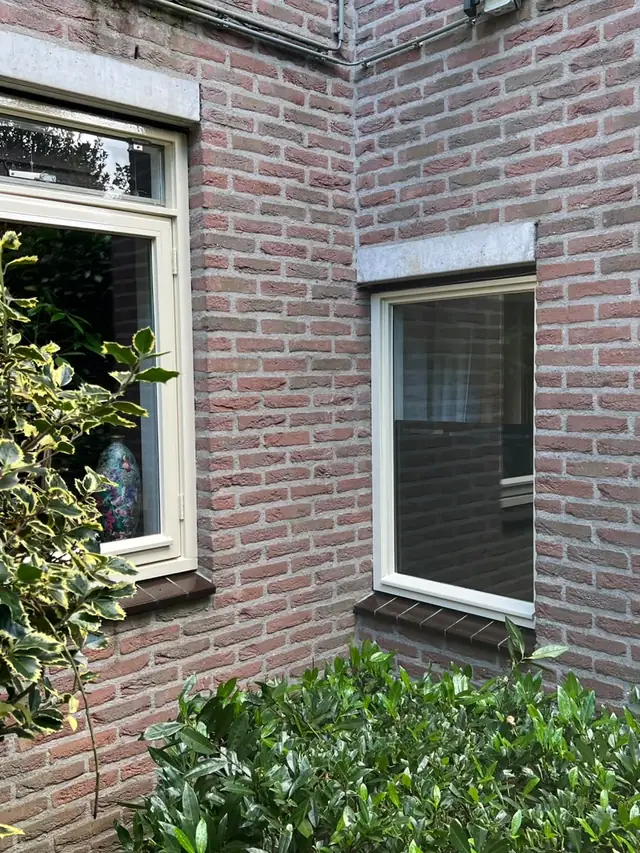
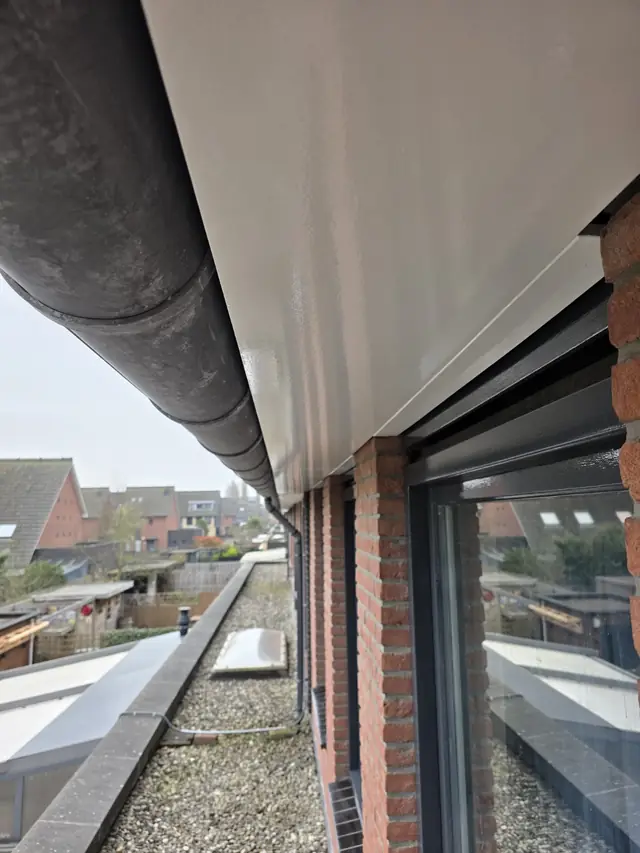
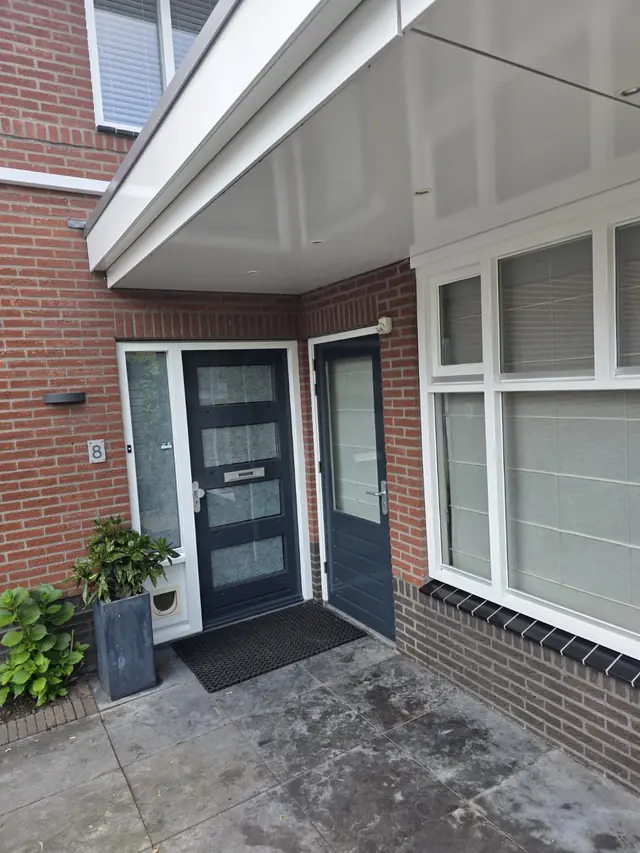
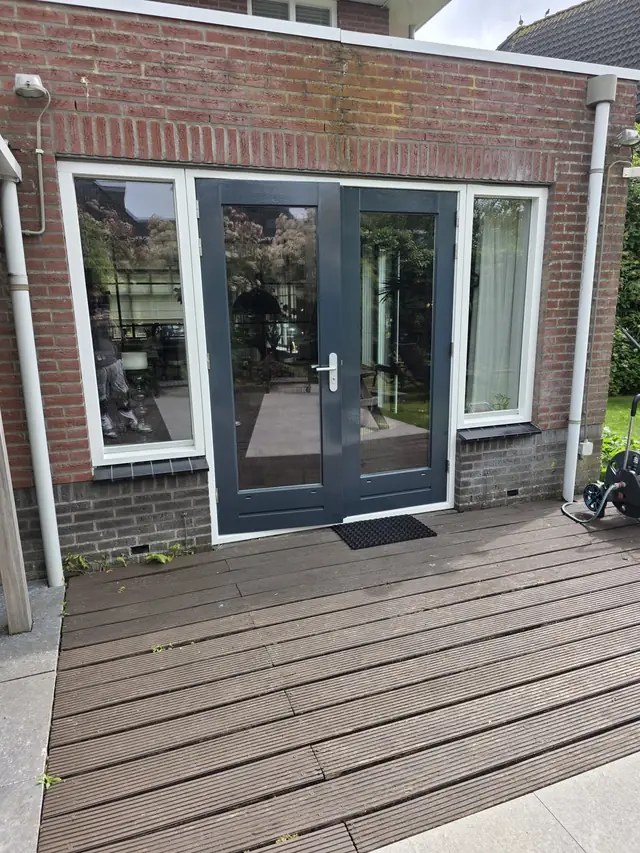
Window frames, windows, exterior doors, fascia boards and wooden facades. We strip loose paint, repair wood rot, renew the sealant and finish with two coats of lacquer.
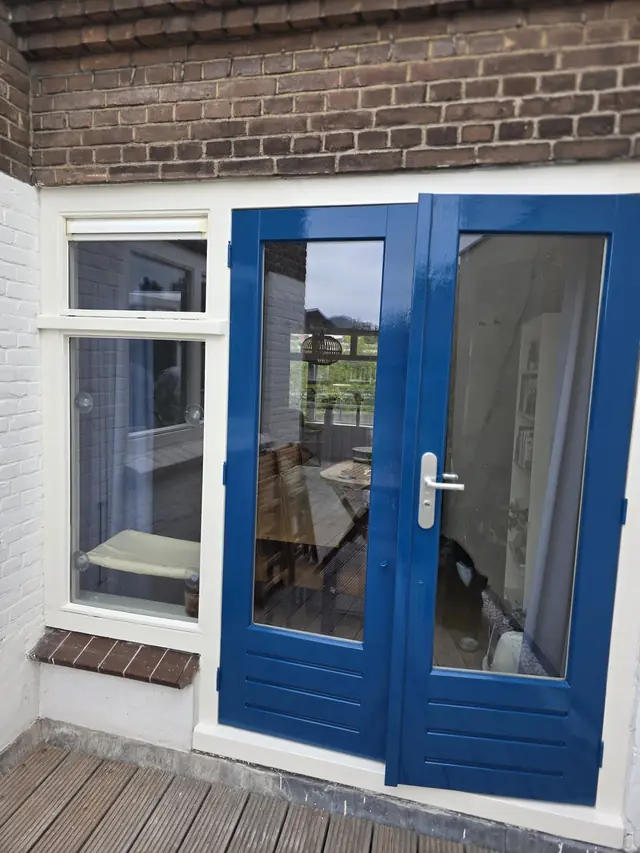
Projects
A selection of our exterior work. Each project lists the work that was carried out.
Reviews
Homeowners, owners' associations (VvE) and landlords from Delft and the surrounding area. Below are the reviews exactly as they appear on our Google Business Profile.
5.0
Average of 7 Google reviews
M K
5 out of 5 stars
Hoog niveau schilderwerk!
Assia
5 out of 5 stars
Top top top bedrijf! Komen altijd de afspraken na en leveren mooi werk.
Mehdi Ammari
5 out of 5 stars
I’m very happy with the painting work done at my house. The result is excellent.
hanshek2804
5 out of 5 stars
Ik kan iedereen onderhoudsbedrijf AZD aanbevelen, communicatief sterk en een meester in zijn vak!
Steven Kwik
5 out of 5 stars
Topservice, goede communicatie en komen hun afspraken na.
Sel Az
5 out of 5 stars
Heel tevreden over het schilderwerk! Alles is netjes en vakkundig gedaan, de afspraken werden goed nagekomen en het resultaat is supermooi geworden. Zeker een aanrader!
Ouissam Moulloghe
5 out of 5 stars
Fantastische service.. bedankt heren!
All reviews are copied verbatim from the public Google Business Profile of Onderhoudsbedrijf AZD. See all reviews on Google
Our approach
We visit, walk the facade and probe the woodwork wherever damage tends to start. That leads to the quote, including the number of coats, the paint brand and what happens with any wood rot.
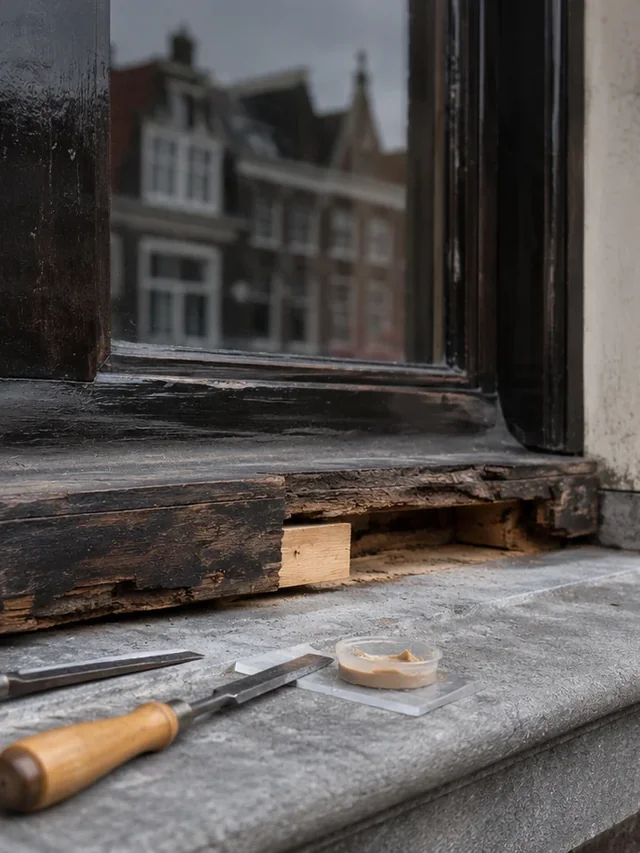
Loose and flaking paint removed, everything sanded down to a sound surface, degreased and dust-free. Wood rot is routed out and rebuilt, bare spots are primed, and dried-out sealant and putty are renewed. For exterior work this is the biggest part of the time.
Two coats of finish with the prescribed drying time in between. We only work in conditions where the paint can actually cure, and pause if the weather turns.
We walk the facade together with you in daylight, finish off anything that still needs attention, and only take the scaffolding down afterwards.
Request a quote
Fill in the form or send a photo via WhatsApp. You'll get a first estimate and, after an on-site inspection, a fixed-price quote.
What we paint
From individual window frames to a complete exterior job. We work out what's needed in your situation together with you, at the inspection.
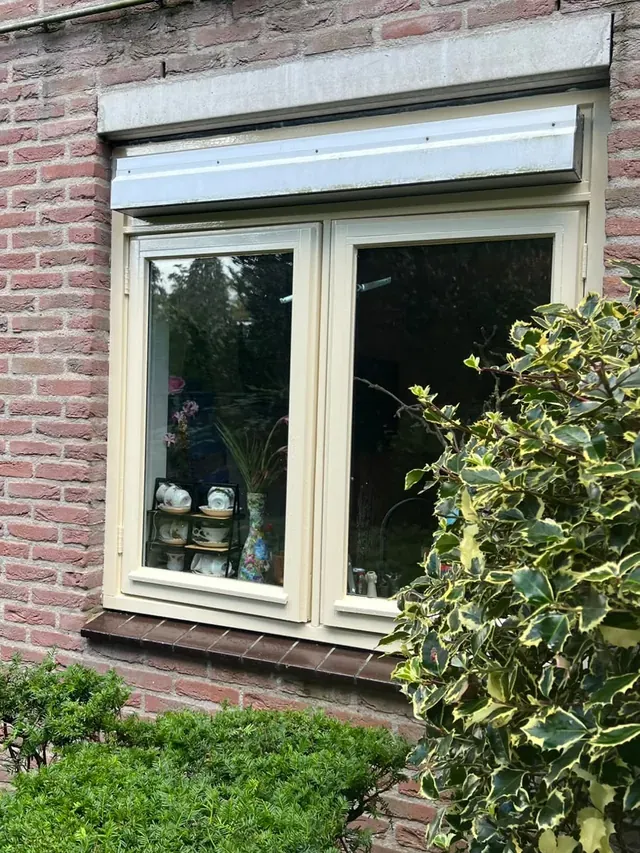
The work most homes need most. Sanding down to a sound surface, priming bare spots and then two coats of finish. Sills and the corners of opening sashes get extra attention, since that's where damage starts.
The highest woodwork takes the most rain and gets checked the least. We include it whenever scaffolding is already up, since doing it separately later is disproportionately expensive.
Shiplap, weatherboard and wooden facade panels. Depending on what's on it and what you want, we finish it with an opaque stain or a lacquer paint system.
The side panels of a dormer are unprotected and weather faster than the rest of the facade. They're rarely reachable without scaffolding or a lift, so we plan them together with the rest of the exterior work.
Freestanding woodwork in the garden or at the side of the house. Often the part that got skipped last time round, and therefore needs the most preparation.
Dried-out sealant and cracked putty let water run in behind the glass, exactly where no paint can reach. We renew those seams before the finish coat goes on, otherwise you'd just be painting over the problem.
Price
We don't quote a price per window frame over the phone, because without seeing the woodwork it doesn't mean much. These are the five things that make the difference.
By far the biggest factor, and also the one you can't see beforehand. Sound wood needs sanding and two coats. Wood with rot, open joints or paint peeling everywhere needs to be repaired first. That difference is bigger than the difference between two paint brands.
A frame with four opening sashes and glazing bars takes more time than an equally sized fixed window, because every edge has to be done by hand. It's not the square metres that set the price, but the number of metres of edge.
Whatever can be reached from a ladder is cheapest. A tower scaffold takes set-up time, a fixed scaffold or a lift costs considerably more. That's why it's almost always more cost-effective to include all the high-up parts in one go.
Rebuilding a sill is a job of hours, not minutes. Renewing dried-out glazing sealant and putty adds up too. We list this as a separate item in the quote, so you can see where the money goes.
Two coats of finish are enough on a sound, previously painted surface. On bare or rebuilt wood, a primer coat is added, and with a strong colour change sometimes a third coat.
We work from Delft within a radius of roughly 45 kilometres, from Leiden to Rotterdam and from the coast to Gouda. Besides Delft, we regularly do exterior painting in Rijswijk, Pijnacker, Nootdorp, Zoetermeer, Den Hoorn, Schiedam, Vlaardingen, Naaldwijk and Den Haag.
Good to know
In the Netherlands, exterior painting typically happens between March and November. The paint needs to be able to cure, and that only works within certain limits: in practice between five and twenty-five degrees Celsius, with humidity under eighty-five percent. The rule professionals go by is stricter than the thermometer: the surface temperature must be at least three degrees above the dew point. If it's below that, moisture condenses on the wood and the coat won't bond, even if it's dry outside and twelve degrees. That's why we stop earlier in autumn than the weather forecast might suggest.
Exterior paint isn't a single product but a build-up of coats matched to each other. On bare or repaired wood, a primer goes on first, penetrating and bonding with the wood. A mid-coat and a finish coat follow, holding back UV and water. Skip that build-up and apply the finish coat directly, and you get a coat that looks fine the first summer and starts flaking after the first winter, because there's nothing underneath holding it in place.
Lacquer forms a closed film on the wood and gives the hardest, most protective coat. Stain regulates moisture: the wood keeps moving and breathing. On window frames and doors, lacquer is almost always the right choice. On facade cladding, fencing and garden woodwork, opaque stain can work out better, since it moves with the wood instead of cracking. Do watch the lifespan: opaque stain lasts an average of five to seven years, transparent stain only two to three. People rarely see that difference coming.
Delft sits about ten kilometres from the coast, exposed to the prevailing south-west wind. That's also the direction almost all driving rain comes from. A home's south-west facade gets wind, rain and sun all at once and visibly weathers faster than the north-east side. On the north-west facade the opposite happens: less weathering, but more green algae growth because the facade dries slowly after a shower. That's why we assess each facade separately rather than the house as a whole. If your home is in a protected townscape or is a listed monument, keep in mind that a colour change requires a permit.
The four we see most often: painting over a coat that no longer bonds, so the new paint comes away with the old; filling wood rot with putty instead of removing the affected wood; leaving dried-out sealant and putty in place, so water keeps running in behind the glass; and working too late in the year. All four look fine at completion and all four become visible within two years.
We work with






Frequently asked questions
That depends almost entirely on the condition of the woodwork, and that's exactly what you can't see in a photo. So we don't quote a figure over the phone. After the inspection you get one fixed price, with wood rot repair, the number of coats and the paint brand listed separately, so you know what you're paying for.
We work with one fixed price for the whole job. Charging per frame sounds simple, but a frame with four opening sashes is three times the work of a fixed window the same size. A fixed price after inspection means you don't pay extra if the preparation turns out to be more involved.
For woodwork in reasonable condition, five to seven years is typical, and multi-year maintenance plans are usually based on that cycle. But the calendar isn't what decides it: the facade's exposure sets the pace. A heavily exposed south-west facade is due sooner than the rest of the same house.
In practice, from March through October, extending into November if the weather cooperates. Outside that period, temperature and humidity are too often unfavourable for the paint to cure properly. For work under a canopy or in a sheltered corner, more is sometimes possible.
Never below zero degrees Celsius. In practice we work between five and twenty-five degrees, with an optimum around nineteen. More important than the air temperature is the dew point: if the surface is less than three degrees above it, moisture condenses on the wood and the paint won't bond.
Not immediately. The wood needs to be dry right through, and after a wet spell that takes longer than the facade lets on. We measure it if in doubt. Painting wood that's still holding moisture traps that moisture in, and the coat comes off again within a season or two.
Two coats of finish on a sound, previously painted surface. On bare wood, repaired spots and new woodwork, a primer coat is added underneath, and with a strong colour change sometimes a third coat. What applies in your situation is stated in the quote.
The build-up of coats that work together: a primer that penetrates and bonds with the wood, a mid-coat for film thickness, and a finish coat that resists UV and water. These layers are matched to each other. Mixing random products is the most common cause of paint peeling off after a winter.
For exterior work we generally use water-based systems. They have low odour, can be recoated sooner, and are now equal in durability to solvent-based paint. On specific surfaces or over an existing solvent-based system, a different product may work better. We decide that at the inspection, not beforehand.
Lacquer forms a closed, hard film on the wood. Stain regulates moisture, allowing the wood to keep moving. On window frames and doors we almost always choose lacquer. On facade cladding and garden woodwork, opaque stain can work better. Opaque stain lasts five to seven years, transparent stain only two to three.
With a complete system on sound wood and normal exposure, five to eight years is typical. Unprotected woodwork facing south-west rarely reaches the top of that range. What causes problems in practice isn't the paint but the preparation: a coat over a surface that wasn't sound carries no guarantee at all.
Yes, that's part of the job, not a separate contractor's task. Affected wood is removed down to sound wood and rebuilt with a repair system, then primed and painted to match. We don't just fill over wood rot and paint on top: the rot simply continues under the paint.
When the damage goes deeper than roughly a third of the thickness, when structural joints are affected, or when the rot runs the full length of the sill. It's often less bad than people expect: a pre-war sill made of slow-grown timber is usually better off repaired than replaced.
Yes, and on older homes that's often the most important part. Dried-out sealant and cracked putty let water run in behind the glass, exactly where no paint can reach and where you only notice once the sill has already gone soft. We renew that before the finish coat goes on.
Yes, provided they're properly prepared: thorough degreasing, light sanding and a bonding primer made for plastic. Without that primer the paint won't adhere and comes off within a season. Plastic doesn't need paint for protection, so this is purely a choice for appearance.
Yes. Hardwood such as meranti needs its own approach: loose paint removed, light sanding, bare spots primed, and then the whole frame built up in an even system. Hardwood contains substances that can bleed through the wrong primer and cause discolouration, so the choice of primer matters a lot.
That depends on the height and exactly what needs doing. Much of the work on a single-family home can be done from a ladder or tower scaffold. For fascia boards, dormers and facades at height, scaffolding is safer and usually faster too. We list that cost separately in the quote, so you can weigh it up.
Not all day. It's nice if you're there for the inspection and the walkthrough. In between we work outside and you just need to be reachable, for example if we find damage while stripping that wasn't in the quote. We never decide on that without checking with you first.
Count on a good week for a complete exterior job, depending on the condition of the wood and the weather. The painting itself is the smallest part of that: stripping, wood rot repair and drying times set the schedule. Rain can extend the job without adding extra hours to the bill.
Yes. For a VvE we work from the multi-year maintenance plan if one exists, with a quote broken down per item so the board can compare costs and present them at the meeting. For landlords we plan the work around tenant turnovers wherever possible.
Not for maintenance in the same colour, material and detailing. If you want to change the colour, or the old paint needs to be burned or stripped off entirely, then yes. We discuss that before the quote, so you don't end up needing a permit application halfway through the job. Always check your address with the municipality.
We work from Delft within a radius of roughly 45 kilometres. Besides Delft we regularly work in Rijswijk, Pijnacker, Nootdorp, Zoetermeer, Den Hoorn, Schiedam, Vlaardingen, Naaldwijk and Den Haag. If you're not sure whether your address is within range, just call or WhatsApp us.