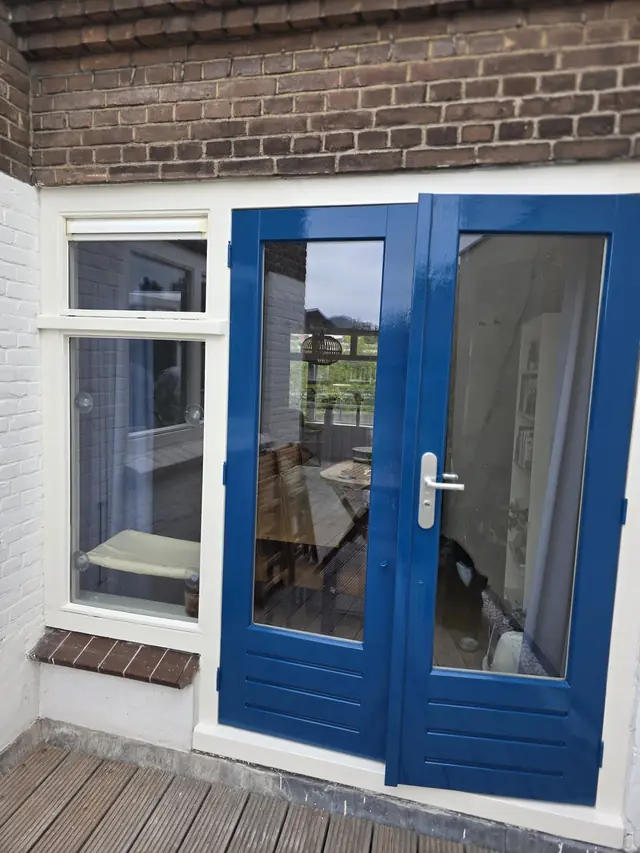
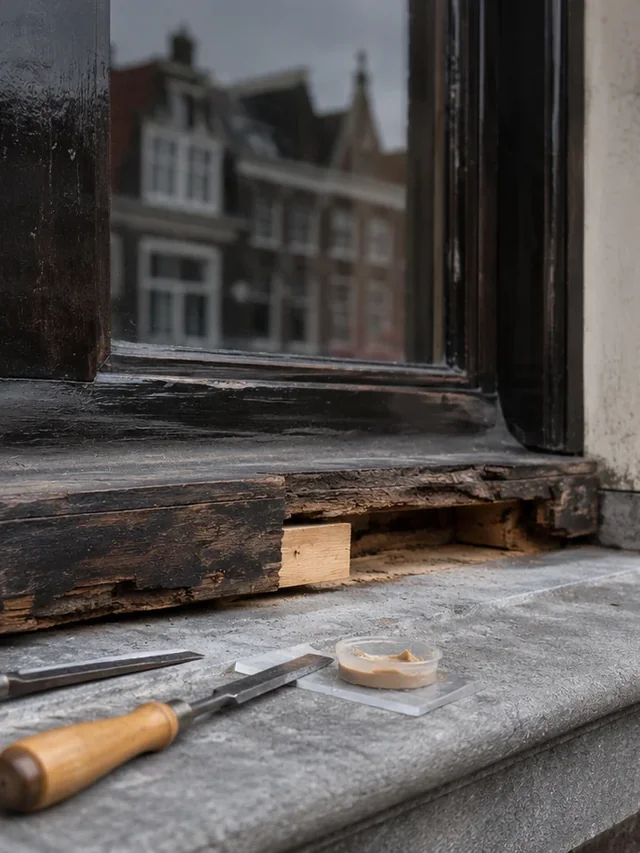
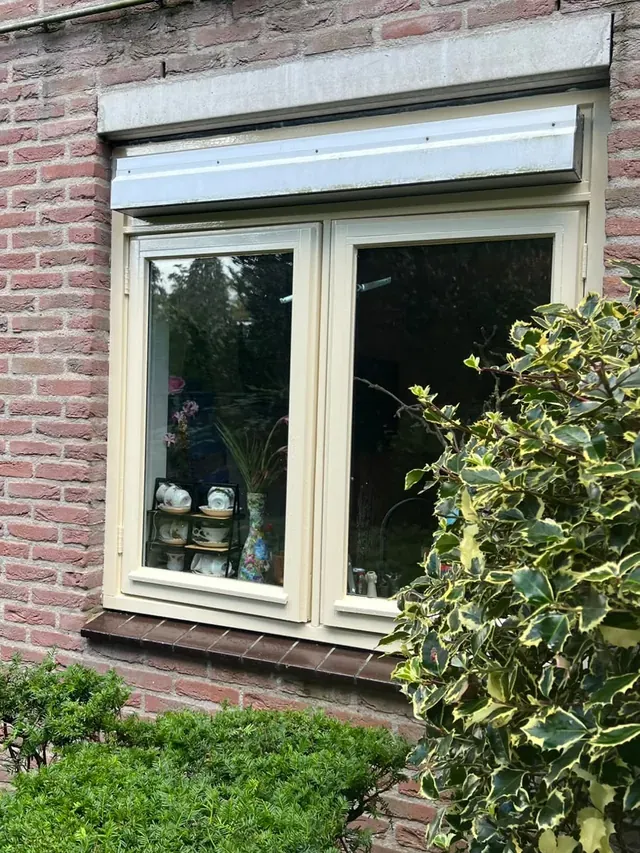
M K
5 out of 5 stars
Hoog niveau schilderwerk!

Wallpapering in Delft and the surrounding area
Non-woven wallpaper, lining paper, renovation fleece and photo wallpaper. The result lives or dies with the wall underneath, so we make that level, dust-free and primed first.
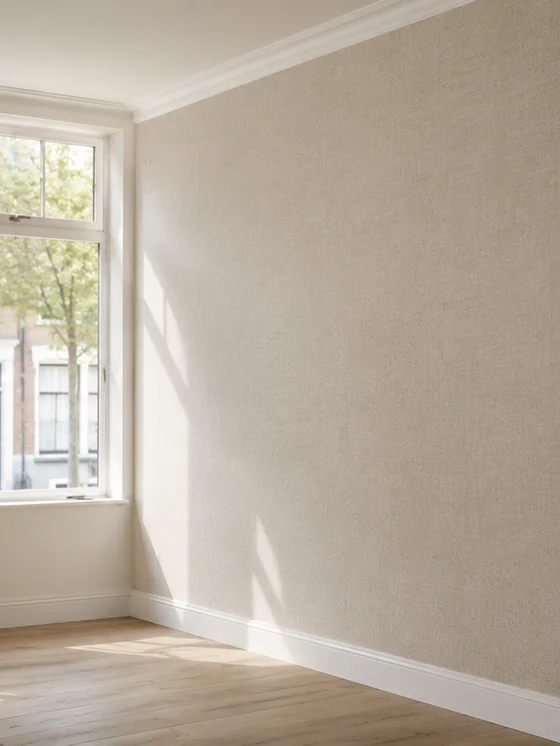
Projects
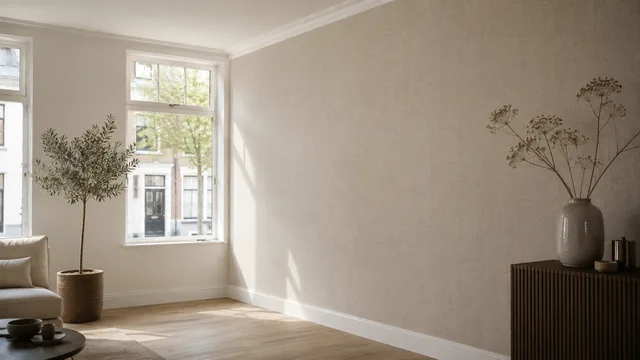
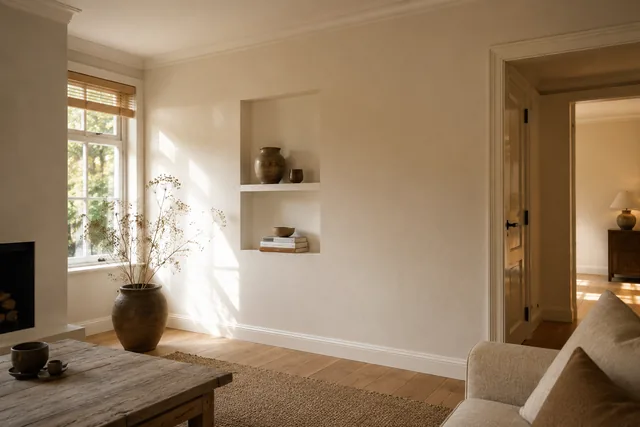
A selection of our interior work. Each project lists the work that was carried out.
Reviews
Homeowners, owners' associations (VvE) and landlords from Delft and the surrounding area. Below are the reviews exactly as they appear on our Google Business Profile.
5.0
Average of 7 Google reviews
M K
5 out of 5 stars
Hoog niveau schilderwerk!
Assia
5 out of 5 stars
Top top top bedrijf! Komen altijd de afspraken na en leveren mooi werk.
Mehdi Ammari
5 out of 5 stars
I’m very happy with the painting work done at my house. The result is excellent.
hanshek2804
5 out of 5 stars
Ik kan iedereen onderhoudsbedrijf AZD aanbevelen, communicatief sterk en een meester in zijn vak!
Steven Kwik
5 out of 5 stars
Topservice, goede communicatie en komen hun afspraken na.
Sel Az
5 out of 5 stars
Heel tevreden over het schilderwerk! Alles is netjes en vakkundig gedaan, de afspraken werden goed nagekomen en het resultaat is supermooi geworden. Zeker een aanrader!
Ouissam Moulloghe
5 out of 5 stars
Fantastische service.. bedankt heren!
All reviews are copied verbatim from the public Google Business Profile of Onderhoudsbedrijf AZD. See all reviews on Google
Our approach
We come and take a look, measure the walls and discuss the wallpaper. For pattern wallpaper we work out the repeat, so you don't end up two rolls short or order four too many. That leads to the quote.
Old wallpaper off, glue residue removed, holes and cracks filled, sanded, dust removed and primed wherever the wall is absorbent. This is the part you won't see afterwards, and it's exactly what determines whether you'll see the seams.
Setting out from a plumb line, not from the corner: corners are rarely square. Then strip by strip, matching the pattern and butting the seams tightly together instead of overlapping.
We walk through the work together with you in daylight, check the seams against raking light and finish off anything that still needs attention.
Request a quote
Fill in the form or send a photo via WhatsApp. You'll get a first estimate and, after an on-site inspection, a fixed-price quote.
What we install
From a single accent wall to a full apartment. We work out which type of wallpaper suits your wall together with you, at the inspection.
The most commonly used type and the right choice for most homes. The paste goes on the wall, not the paper, so it doesn't need to soak and therefore doesn't expand and shrink. That means fewer seams opening up later, and it comes off in one piece if you want something different in years to come.
Non-woven glass fibre: smooth, paint-ready, and it doesn't shrink. That makes a seamless finish achievable. We use it wherever the wall needs to be tight and needs to withstand knocks, such as in hallways and stairwells.
A fleece of cellulose and textile fibres that strengthens the wall and bridges cracks. It levels an uneven surface and is often chosen as an alternative to re-plastering. Paint goes on top after installation.
Floral motifs, stripes or a full-width photo wall. This is the work where matching the pattern repeat matters: strips need to align to the millimetre, including around doors and in corners that are rarely square.
Vinyl withstands moisture and cleaning, making it suitable for kitchens and hallways. Textile and grasscloth add more depth but are more delicate to install and need a level surface.
Removal, taking off glue residue, filling holes and cracks, sanding and priming. Often the biggest part of the job, and the part that determines how the end result looks.
Price
We don't quote a price per roll over the phone, because without seeing the wall it doesn't mean much. These are the five things that make the difference.
This weighs more heavily than the choice of wallpaper. A level, previously wallpapered wall needs cleaning and priming. A wall with glue residue, cracks or flaking plaster needs repairing first. For renovation work, that's where most of the hours go.
Plain non-woven wallpaper goes fastest. Lining paper and renovation fleece need more force and more precise cutting. Textile and grasscloth are delicate and need careful handling. Photo wallpaper has to line up across the full width in one go.
With pattern wallpaper, each strip has to align with the previous one. The bigger the repeat, the more you cut off the bottom of each strip. That doesn't add hours, but it does add rolls, sometimes by tens of percent.
It's not the square metres that determine the time, but the number of edges. A flat six-metre wall goes faster than two short walls with a window, a door and an angled section in between.
Standard ceiling height can be done from a stepladder. A stairwell, a void, or an older property with ceilings over three metres needs a room scaffold, which takes set-up time.
We work from Delft within a radius of roughly 45 kilometres, from Leiden to Rotterdam and from the coast to Gouda. Besides Delft, we regularly wallpaper in Rijswijk, Pijnacker, Nootdorp, Zoetermeer, Den Hoorn, Schiedam, Vlaardingen, Naaldwijk and Den Haag.
Good to know
Wallpaper hides nothing. If anything, it reveals. A millimetre-high bump shows straight through smooth wallpaper under raking light, and leftover glue residue shows up as a dark patch within a week. The requirement isn't complicated: the wall needs to be clean, dry and reasonably level, and wherever it's absorbent or powdery it needs priming first. That last step is skipped most often, and it's exactly why strips come loose later or the paste bleeds through the wallpaper. That's why we never hang a single strip on a wall that hasn't been prepared.
Non-woven wallpaper is just wallpaper with a non-woven backing: the paste goes on the wall, the paper doesn't need to soak, and it doesn't shrink. Lining paper and renovation fleece aren't decoration but a base, meant to be painted over. Lining paper is non-woven glass fibre, smooth and shrink-free, making it suitable for a tight, seamless finish. Renovation fleece is made of cellulose and textile fibres, thicker and sturdier, levels an uneven wall and bridges hairline cracks. In short: lining paper if the wall is already in good shape and needs to be tight, renovation fleece if the wall is uneven and you don't want to re-plaster.
With paper wallpaper, the paste goes on the paper and it needs to soak for about five minutes. The paper expands as it does so and shrinks back again while drying. That's exactly what makes the seams critical: too tight and they pull open, too loose and they overlap. Non-woven wallpaper doesn't have that problem, which is the main reason it's the standard nowadays. If you'd still like paper, for example for a specific design, that's fine; it's just not a job to start on a Saturday afternoon yourself.
On a level, sound wall, painting is faster and cheaper. Wallpapering becomes worthwhile once the wall is uneven: renovation fleece over the whole wall is almost always more cost-effective than dozens of individual repairs, and it keeps hairline cracks closed for years. That comes up more often in Delft than elsewhere, since the ground here settles and causes cracking in plaster. One caveat: against a crack that's still moving, fleece won't help either, since it simply cracks along with it.
The four we see most often: starting in the corner instead of from a plumb line, so the pattern runs skewed across the whole room; not priming an absorbent wall; overlapping strips instead of butting them together; and ordering too few rolls of pattern wallpaper, so the reorder comes from a different batch and visibly differs in colour. That last one is the most annoying, since nothing can fix it after the fact.
We work with






Frequently asked questions
That depends mainly on the condition of the wall and the type of wallpaper, not just the number of square metres. We inspect first and then agree on one fixed price in writing, with preparation, hanging and any painting listed separately.
We work with one fixed price for the whole job. Charging per roll doesn't say much, since a wall with three windows and an angled section takes far more time than a flat wall of the same area. You can supply the wallpaper yourself or have us order it.
We work that out for you at the inspection. For plain wallpaper it comes down to the wall area plus a small margin. For pattern wallpaper the repeat matters: the bigger the repeat, the more gets cut off per strip. That can significantly increase the number of rolls needed.
With non-woven wallpaper, the paste goes on the wall and the paper doesn't need to soak; it doesn't expand or shrink. With paper wallpaper, the paste goes on the paper, which soaks for about five minutes, expanding and then shrinking as it dries. That makes non-woven wallpaper easier to get tight and, later, to remove in one piece.
Non-woven glass fibre wallpaper. It's smooth, strong and doesn't shrink, making a seamless finish achievable. It's not a final finish but a base: paint goes over it. We use it wherever the wall needs to be tight and needs to withstand knocks.
A fleece of cellulose and textile fibres that strengthens the wall, levels it and bridges hairline cracks. It's often chosen as an alternative to re-plastering. Renovation fleece also gets painted over after installation.
If the wall is in reasonable condition and you mainly want a tight, seamless finish, choose lining paper. If the wall is uneven, with hairline cracks or old repairs, choose renovation fleece: it's thicker, levels better and keeps fine cracks closed. We assess that at the inspection based on the wall itself.
For hairline cracks that no longer move, it works excellently and the wall stays smooth for years. For a crack that's still active, for example from settlement, the fleece cracks along with it. Then the cause needs addressing first. We'll say so upfront, not after the wall is finished.
Usually not. We fill and sand small imperfections ourselves. Only if the plaster sounds hollow, is coming loose, or is uneven over large areas is a plasterer the logical first step. In many cases, renovation fleece is actually a cheaper alternative to re-plastering.
Always, on an absorbent, powdery or freshly repaired wall. Priming stops the paste from being absorbed immediately and lets the wallpaper bond instead of coming loose later. It's one of the steps most often skipped when people wallpaper themselves, and the one that most often causes problems afterwards.
As a rule, yes. Papering over old wallpaper seems like a time-saver, but the old glue gets damp again and the bottom layer can bubble or come loose, taking the new layer with it. Non-woven wallpaper usually strips off dry in one go; paper needs soaking or steaming.
Yes, provided the paint bonds well and isn't glossy. A glossy or satin coat is lightly sanded first so the paste has something to grip. If the paint is coming loose anywhere, that needs to come off first; otherwise the wallpaper will later come down with that layer.
In the kitchen and in a hallway, no problem, provided you choose vinyl or another moisture-resistant, washable type. In a bathroom we recommend it outside the wet zone and advise against it within the splash zone: no wallpaper withstands sustained shower steam and direct water.
For a wall or room that only needs cleaning and priming, it's usually a day. If old wallpaper needs removing, cracks need filling, or paint still needs to go over lining paper or renovation fleece, it's two to three days, part of which is drying time.
Allow twenty-four to forty-eight hours before it's fully dry, depending on humidity. Important during that period: no draughts. An open window or a door that keeps swinging dries the strips unevenly, which is exactly how seams open up.
Yes. Wallpaper paste is virtually odourless and we work room by room. The room we're working in needs to be clear enough to move along the walls, and the floor gets covered. We tidy up at the end of every working day.
We only ask that you remove small items: books, decorations, whatever's hanging on the walls, and the contents of cabinets that need to be moved. We move large furniture to the middle of the room together and cover it. If you'd like us to do everything, that's possible, and we'll list it as a separate item in the quote.
Not with good work and the right type. Lining paper doesn't shrink and can be finished seamlessly. With non-woven wallpaper, strips are butted together rather than overlapped. Seams that open up after a few weeks are almost always caused by a draught during drying or a surface that wasn't primed.
The repeat is the distance over which the motif repeats. To make the pattern line up, each strip has to start at the right point, and whatever's above that gets cut off. With a large repeat, that can be tens of centimetres per strip. It doesn't add more hours, but it does add more rolls.
Lining paper and renovation fleece are made exactly for that and can be repainted multiple times. Plain non-woven wallpaper with a texture usually can be too, provided it's firmly attached. Wallpaper with strong embossing or a vinyl layer is hard to paint over opaquely; then removal is often the better plan.
Yes. For landlords we regularly do wallpapering and painting during a tenant turnover, where speed matters because the home needs to be re-let. For VvE's we work in hallways, entrance halls and stairwells, where lining paper is often the sensible choice because it withstands knocks.
We work from Delft within a radius of roughly 45 kilometres. Besides Delft we regularly wallpaper in Rijswijk, Pijnacker, Nootdorp, Zoetermeer, Den Hoorn, Schiedam, Vlaardingen, Naaldwijk and Den Haag. If you're not sure whether your address is within range, just call or WhatsApp us.