M K
5 out of 5 stars
Hoog niveau schilderwerk!

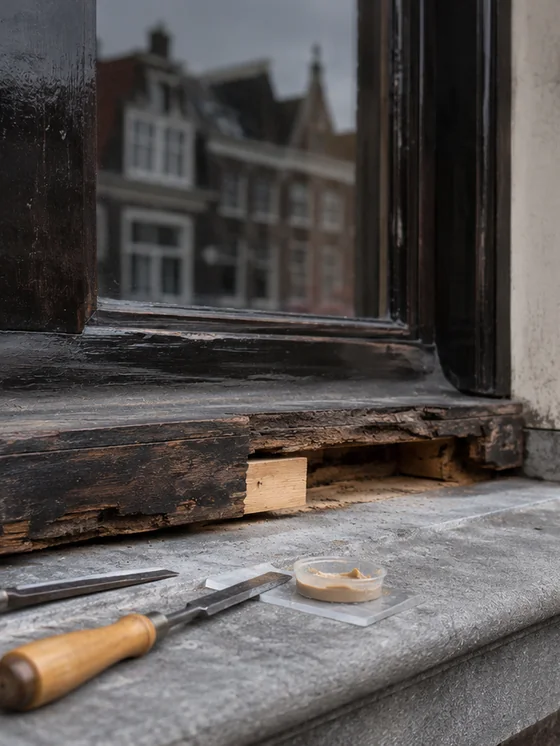
Wood rot repair in Delft and the surrounding area
Affected wood is removed down to sound wood and rebuilt with an epoxy system that moves with the frame. Then primed and painted to match, so you won't see a thing.
Projects
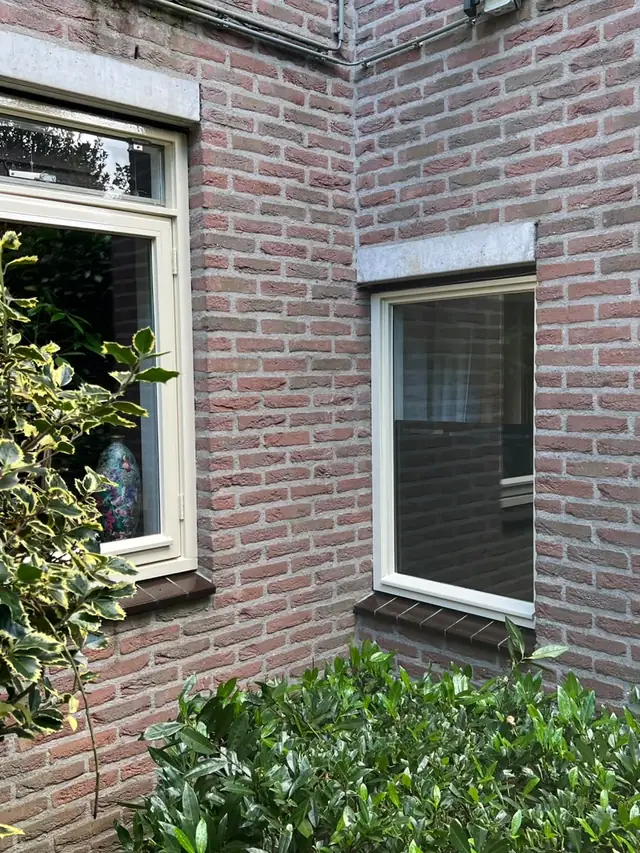
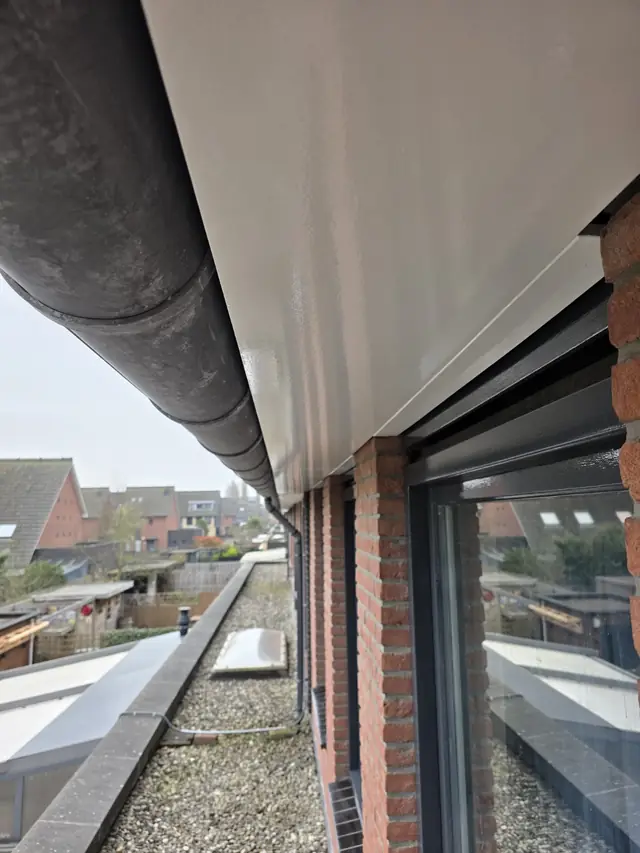
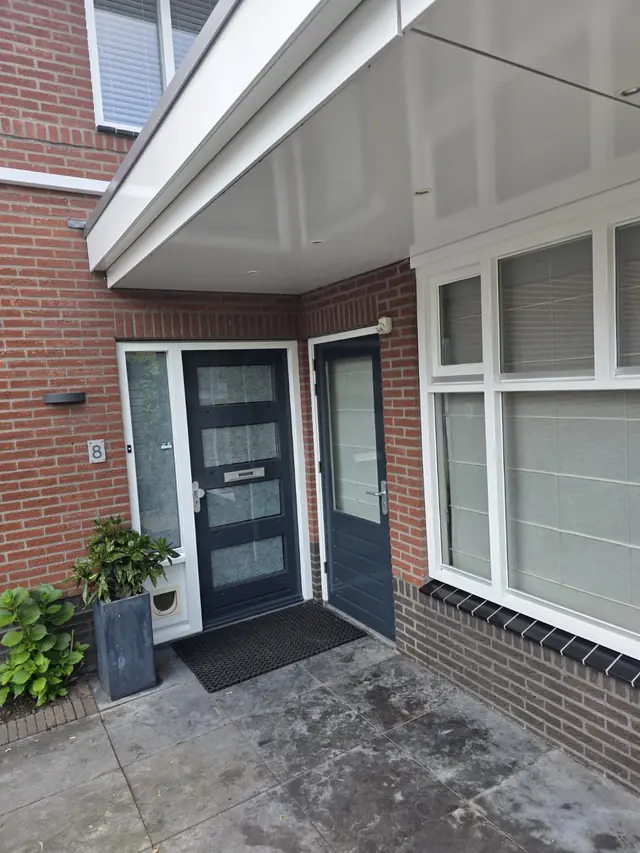
A selection of our work on window frames, doors and facades. Each project lists the work that was carried out.
Reviews
Homeowners, owners' associations (VvE) and landlords from Delft and the surrounding area. Below are the reviews exactly as they appear on our Google Business Profile.
5.0
Average of 7 Google reviews
M K
5 out of 5 stars
Hoog niveau schilderwerk!
Assia
5 out of 5 stars
Top top top bedrijf! Komen altijd de afspraken na en leveren mooi werk.
Mehdi Ammari
5 out of 5 stars
I’m very happy with the painting work done at my house. The result is excellent.
hanshek2804
5 out of 5 stars
Ik kan iedereen onderhoudsbedrijf AZD aanbevelen, communicatief sterk en een meester in zijn vak!
Steven Kwik
5 out of 5 stars
Topservice, goede communicatie en komen hun afspraken na.
Sel Az
5 out of 5 stars
Heel tevreden over het schilderwerk! Alles is netjes en vakkundig gedaan, de afspraken werden goed nagekomen en het resultaat is supermooi geworden. Zeker een aanrader!
Ouissam Moulloghe
5 out of 5 stars
Fantastische service.. bedankt heren!
All reviews are copied verbatim from the public Google Business Profile of Onderhoudsbedrijf AZD. See all reviews on Google
Our approach
We probe along the sills, corners and seams with an awl or screwdriver. That's how we determine how far the damage reaches, since it isn't visible from the outside. That leads to the quote, with what happens at each spot.
All the affected wood comes out, down to wood that feels solid. This step can't be shortened: a repair system doesn't bond to soft or loose wood. Whatever's left simply keeps rotting under the repair.
The routed-out space is filled with an epoxy repair system that stays flexible once cured and moves with the wood. Then sanded flush until the profile is restored, including the sill's original bevel.
Primed and painted to match the existing colour, so the repair disappears. We walk through the work together with you in daylight.
Request a quote
Fill in the form or send a photo via WhatsApp. You'll get a first estimate and, after an on-site inspection, a fixed-price quote.
What we repair
From a single soft corner to every sill on a home. We work out what's needed at the inspection, since the extent is rarely visible from the outside.
The bottom, horizontal beam of a window frame. Water sits there and works its way into the wood through the seam with the glass. This is where it starts on the vast majority of homes, and often the only spot that needs attention.
The lower corners of opening windows and doors, where the wood meets at a joint. Blistering paint on a corner like that is rarely just paint; there's usually soft wood underneath.
Especially at the bottom and along the hinge side. A door that starts sticking often gets planed down, while in reality the wood has swollen from moisture.
High up, heavily exposed and rarely inspected up close. We include this whenever scaffolding is already up, since doing it separately is disproportionately expensive.
The side panels and bottom edge of a dormer are completely unprotected. It's also the part most often skipped during a previous paint job.
Shiplap, weatherboard and panelling around bay windows and canopies. Damage here often hides behind the overlap, out of reach without dismantling it.
Price
We don't quote a price per spot over the phone, because nobody can see from the outside how deep the rot goes. These are the five things that make the difference.
A soft corner a few centimetres wide is half an hour of work. A sill affected along its full length is half a day. That difference isn't visible from the outside beforehand, which is exactly why we always inspect first.
The first repair on a frame costs the most, since it includes unpacking, taping and mixing the material. Every additional spot on the same frame is proportionally cheaper. Having everything done in one go saves more than people expect.
A ground-floor sill can be done from the ground. A fascia board or dormer needs a tower scaffold, scaffolding or a lift. That set-up weighs more heavily on a small repair than the repair itself.
Repair and painting in the same job is considerably more cost-effective, since taping, sanding and priming then only happen once. Standalone wood rot repair is possible, but you then pay for part of that work twice.
Repair is almost always cheaper, but not always the wise choice. If the rot is in a structural joint or runs the full depth, replacement is the better investment. What we find determines the advice, not what you'd hoped for beforehand.
We work from Delft within a radius of roughly 45 kilometres, from Leiden to Rotterdam and from the coast to Gouda. Besides Delft, we regularly repair wood rot in Rijswijk, Pijnacker, Nootdorp, Zoetermeer, Den Hoorn, Schiedam, Vlaardingen, Naaldwijk and Den Haag.
Good to know
Ordinary wood filler from a hardware store is a putty: it cures into a rigid block and shrinks slightly as it does. Wood moves with the weather, filler doesn't, so the seam along the repair cracks open after a season or two. That's exactly where water gets back in. An epoxy repair system stays flexible once cured and moves with the wood, doesn't shrink, and is watertight. Manufacturers assume at least ten years for a well-executed repair. That difference is why we never work with filler from a tub.
A repair system doesn't bond to wet wood. Moisture in the fibres prevents adhesion, so the repair comes loose again after a winter. In a wet spell that means waiting or drying it out first, even if the client would rather be helped today. A repair that goes in tight in November and comes loose in March is more expensive than a few weeks of patience.
Repair stops where the structure begins. If the rot goes deeper than roughly a third of the thickness, if the mortise-and-tenon joints are affected, or if a sill is soaked through along its full length, replacement is the more honest solution. We'll say so even when repair would have been the easier job for us.
Delft sits on peat, with a high groundwater table and a lot of open water in and around the historic centre. Humidity around a facade here is structurally higher than on sandy soil, and wood that doesn't fully dry back out stays above twenty percent moisture content. Above that, fungi take hold. On top of that, roughly 46 percent of homes in Delft predate 1970, glazed with putty instead of glazing beads. Dried-out putty cracks open and lets water run into the frame's wood behind the glass, where you only notice once the sill has already gone soft.
Wood rot keeps spreading as long as moisture can get in. A five-centimetre corner that's a quick repair this year can be half the sill next year, and a whole new frame the year after. On top of that, wood rot isn't insured: buildings and all-risk policies see it as damage from deferred maintenance and don't pay out for it. So there's no scenario where waiting saves you money.
We work with






Frequently asked questions
That depends on how deep the damage goes and how many spots are affected, and that's not visible from the outside. So we inspect first and then agree on one fixed price in writing, with what happens at each spot listed separately. That way you know what you're paying for, even with several frames involved.
In almost all cases, yes. Public market overviews put a repair at three to five times cheaper than a new frame including installation. On top of that, old wood is often better quality than what goes into a standard frame today, so you're not automatically trading up by replacing it.
For a properly applied epoxy repair system, manufacturers assume at least ten years. Two conditions need to be met for that: all the affected wood was removed, and the wood was dry when the repair was made. If either condition isn't met, the product's stated lifespan no longer means much.
With a two-component epoxy repair system made specifically for exterior woodwork. Once cured it stays flexible and moves with the wood, doesn't shrink, and is watertight. Once cured it can be sanded and painted just like wood, so the sill's profile is restored.
Because it cures into a rigid block and shrinks slightly. Wood moves with the seasons, filler doesn't, so the seam along the repair cracks open. That's exactly where water gets back in. It looks fine the first year and you're back to square one after that.
Yes, and this is the single most important condition. Moisture in the fibres prevents the repair system from bonding. In a wet spell that means waiting or drying it out first. We'd rather measure it when in doubt than guess.
Press a screwdriver against the underside of a sill or the lower corner of a window. If it feels soft or gives way, there's rot. Other signs are blistering paint, dark patches, open seams, and a door or window that's started sticking.
Wet rot occurs in wood that stays damp for a long time and is by far the most common form found in window frames. Dry rot is rarer but more dangerous: that fungus can spread through masonry and attack dry wood at a distance. If dry rot is suspected, more than a painter is needed.
When the rot goes deeper than roughly a third of the thickness, when the mortise-and-tenon joints are affected, or when the sill is soaked through along its full length. Then replacement is the better investment. We'll say so even when repair would have been the easier job for us.
Only if the cause remains. Repair is half the job; removing the source of water is the other half. Renewing dried-out glazing sealant or putty, closing up seams and applying a sound paint film are part of that. Without it, you're fixing the symptom, not the cause.
A single corner is half an hour of work plus curing time. A full sill is half a day. The repair material is sandable after about four hours, so routing out, repairing and finishing can often happen on the same day. With several frames, we plan the work as one continuous job.
No. Repair happens in place, on the frame as it sits in the facade. That's exactly the advantage over replacement: no removal, no opening up masonry, no new finishing indoors, and no day without a window.
Not with opaque paint. The repair is sanded flush to the original profile and then painted to match the existing colour. It's different for hardwood finished with a transparent coating: there, a repair does remain visible, and we'll tell you that upfront.
Yes, for example if only a couple of sills need attention. Keep in mind that taping, sanding and priming then happen separately for those spots, work that would already be done during a paint job anyway. Doing both together is almost always more cost-effective.
To a limited extent. The repair system needs a minimum temperature to cure, and the wood needs to be dry. On a mild, dry winter day, work can be done in a sheltered spot. In a wet or freezing spell it can't, and postponing is then the cheapest option.
Usually not. Insurers view wood rot as damage from deferred maintenance, which is excluded even under an all-risk policy. Check your own policy for your situation, but don't assume waiting will be reimbursed. That makes timely repair cheaper than it looks.
Maintenance of exterior window frames and exterior painting are usually the landlord's responsibility, precisely because timely painting prevents wood rot. If you rent and notice soft spots, report it to your landlord in writing. We work for both parties and can also carry out the inspection directly with the landlord.
Window frames and facades on the exterior usually fall under the common parts and therefore under the VvE. We then provide a quote broken down per item, so the board can compare costs and present them at the meeting. If the maintenance is in the multi-year maintenance plan, we work in line with that.
Keep the water out. Renew dried-out glazing sealant and putty, don't leave seams open, keep the gutters clean and have exterior painting done on time. Once a year, check the sills on the south-west side with a screwdriver. Five minutes of work, and it saves you the expensive alternative.
What we guarantee is set out per job in the quote, along with the repair system used and the number of paint coats. We'd rather not quote a general number of years, because the lifespan of a repair depends on the condition of the surrounding wood and on whether the source of the moisture was removed.
Yes. Local wood rot repair counts as maintenance and is permit-free on a monument, as long as it's done in the same material and shape. Replacing a whole frame or changing the colour is not. Always check your property's status with the municipality before work begins.
We work from Delft within a radius of roughly 45 kilometres. Besides Delft we regularly work in Rijswijk, Pijnacker, Nootdorp, Zoetermeer, Den Hoorn, Schiedam, Vlaardingen, Naaldwijk and Den Haag. If you're not sure whether your address is within range, just call or WhatsApp us.