M K
5 out of 5 stars
Hoog niveau schilderwerk!

Interior painting in Delft and the surrounding area
Want to give your interior a fresh coat? We paint walls, ceilings, doors, window frames, skirting boards and staircases. With professional paint that lasts and a neat finish.
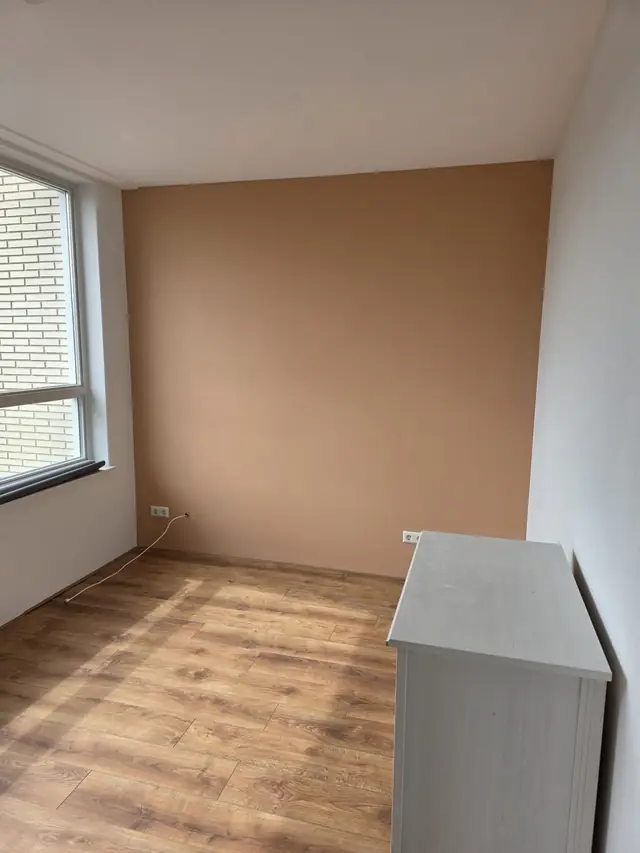
Projects
A selection of our work. Each project lists the work that was carried out.
Reviews
Homeowners, owners' associations (VvE) and landlords from Delft and the surrounding area. Below are the reviews exactly as they appear on our Google Business Profile.
5.0
Average of 7 Google reviews
M K
5 out of 5 stars
Hoog niveau schilderwerk!
Assia
5 out of 5 stars
Top top top bedrijf! Komen altijd de afspraken na en leveren mooi werk.
Mehdi Ammari
5 out of 5 stars
I’m very happy with the painting work done at my house. The result is excellent.
hanshek2804
5 out of 5 stars
Ik kan iedereen onderhoudsbedrijf AZD aanbevelen, communicatief sterk en een meester in zijn vak!
Steven Kwik
5 out of 5 stars
Topservice, goede communicatie en komen hun afspraken na.
Sel Az
5 out of 5 stars
Heel tevreden over het schilderwerk! Alles is netjes en vakkundig gedaan, de afspraken werden goed nagekomen en het resultaat is supermooi geworden. Zeker een aanrader!
Ouissam Moulloghe
5 out of 5 stars
Fantastische service.. bedankt heren!
All reviews are copied verbatim from the public Google Business Profile of Onderhoudsbedrijf AZD. See all reviews on Google
Our approach
We come and take a look, take measurements and discuss colours. Based on that we prepare the quote, including the number of coats and the paint brand.
Everything gets moved out or covered first: floors, furniture and frames. Then degreasing, sanding, dust removal, filling holes and cracks, and priming wherever the surface is absorbent. For renovation work this is often half the time.
Two coats, with the prescribed drying time in between. With a dark colour over a light surface, or the other way round, sometimes three.
We walk through the work together with you in daylight and finish off anything that still needs attention.
Request a quote
Fill in the form or send a photo via WhatsApp. You'll get a first estimate and, after an on-site inspection, a fixed-price quote.
What we paint
From a single bedroom to a whole home. We work out what's needed in your situation together with you, at the inspection.
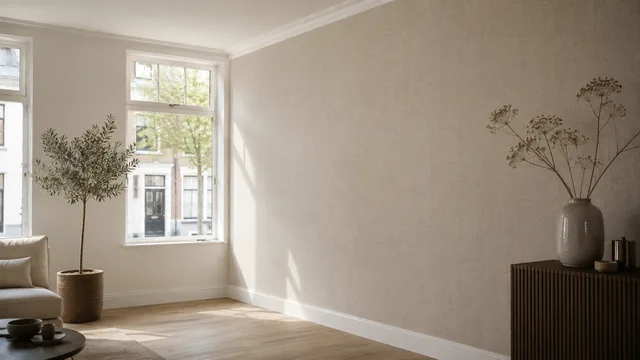
Painting walls and ceilings in matte or satin wall paint. We fill small cracks and holes first; otherwise they still show through after the first coat.
A ceiling is the trickiest surface in a room: raking light shows every transition. We work wet-on-wet so no lap marks appear.
Lacquering interior woodwork. Sanding, degreasing, priming bare spots and then finishing, for a smooth coat without brush marks.
The spot most people can't reach themselves. We use a room scaffold, so it comes out even in one go instead of in patches.
Damp rooms need a paint that can handle condensation and cleaning. We use a washable, moisture-resistant wall paint there.
Before moving in, after a renovation, or ahead of a sale. An empty home goes faster and can be planned in one continuous stretch.
Price
We don't quote a price per square metre over the phone, because without seeing the walls it doesn't mean much. These are the five things that make the difference.
It's not the floor area that counts, but the number of square metres of wall and ceiling. A room with many doors, windows and radiators costs more per square metre, because there's more cutting-in involved.
A smooth, previously painted wall needs sanding and two coats. A wall with cracks, old glue residue or flaking paint needs to be repaired first. That difference is bigger than the difference in paint.
Two coats is standard. With a strong colour change, opaque white over dark, or an absorbent surface, a primer coat or a third coat is added.
Painting walls goes faster than lacquering doors and frames. Lacquering requires more preparation, longer drying times and more precise work.
A stairwell or a high ceiling needs a room scaffold. That takes set-up time that an ordinary room doesn't need.
We work from Delft within a radius of roughly 45 kilometres, from Leiden to Rotterdam and from the coast to Gouda. Besides Delft, we regularly do interior painting in Rijswijk, Pijnacker, Nootdorp, Zoetermeer, Den Hoorn, Schiedam, Vlaardingen, Naaldwijk and Den Haag.
Good to know
Paint doesn't stick to dust, grease or a loose coat. In renovation work, forty to sixty percent of the time often goes into what you won't see afterwards: degreasing, sanding, dust removal and filling. Skimping on this doesn't show right away, but it does after the first winter, when the coat starts flaking or the filled patches show through.
Between two coats of wall paint there's usually four to six hours. Between a primer coat and the finish on woodwork that can stretch to a full day, and fully curing takes days longer still. That's why a room that can be painted in eight hours isn't always finished in one day: the waiting happens between the coats. Whoever wants it faster ends up with a coat that stays soft and gets damaged later.
Spraying latex paint is faster and gives a seamless finish without roller marks, but requires the room to be completely empty and fully taped off; anything not covered gets a fine mist of paint. Rolling and cutting-in takes more time but works in an occupied home, room by room. For an occupied house, rolling is therefore almost always the practical choice; for an empty home or new build, spraying can be attractive.
Matte hides unevenness and looks calm, but is less easy to clean. Satin is washable and suits hallways, kitchens and children's rooms, but its sheen shows every bump. On ceilings, matte is almost always the better choice, since raking light would otherwise exaggerate every transition. Doors and frames usually get satin or high-gloss, since that holds up better to touching.
The four we see most often: painting over dust or grease; applying a second coat before the first is dry; skipping a primer coat on an absorbent or repaired surface; and judging a wall only under artificial light. That last one is deceptive, because daylight from the side reveals transitions you didn't see in the evening.
We work with






Frequently asked questions
That depends on the number of square metres of wall and ceiling, the condition of the surface, the number of coats, and whether lacquering doors and frames is included. A smooth wall that just needs a fresh coat is very different from a wall with cracks, old glue residue or loose paint. We don't quote a price per square metre over the phone, but come and look first. That inspection is free and non-binding; afterwards you get one fixed price in writing.
We work with one fixed price for the whole job, not an hourly rate. That means you know the cost upfront, even if the work turns out to be more involved. Only for small standalone jobs, such as touching up a single door, do we charge by the hour. What applies is stated in the quote.
Two as standard. With a strong colour change, opaque white over a dark colour, or an absorbent or freshly repaired surface, a primer coat or a third coat is added. The number of coats we apply is stated in the quote, so you can compare quotes fairly; a price for one coat is simply not a fair comparison with a price for two.
An average bedroom of twelve to fifteen square metres takes a professional about one working day, including covering, preparation and two coats. If lacquering doors and frames is included too, count on one and a half to two days, mainly because of drying time. For a whole home, we estimate this per room and set the number of working days in the quote.
For wall paint, usually four to six hours, depending on temperature and humidity. For lacquer on woodwork it's longer: often sixteen to twenty-four hours between the primer and the finish coat. Fully curing takes days longer still; a freshly lacquered door can look dry and still be vulnerable. We stick to the manufacturer's drying times, even if that makes the job take a day longer.
Yes, that's no problem. We work room by room and tidy up at the end of every working day, so you can keep using the rest of the home. We work with water-based paint as standard, which has much less odour than solvent-based paint. Only for a completely empty home does it go faster, since nothing is in the way.
Small items, curtains and paintings, yes please. We move large furniture to the middle of the room and cover it ourselves; you don't need to do that. If you'd like us to clear the room entirely, that's possible too, but we list it as a separate item in the quote.
Almost always. Sanding roughens the old coat so the new paint can bond, and it removes unevenness and roller marks from the previous job. After that all the dust needs to be removed completely, since paint doesn't stick to dust. Only on a brand-new, smooth surface can sanding be skipped.
On anything that's absorbent or freshly repaired: new plaster, plasterboard, filled holes and cracks, and walls where old wallpaper has been removed. Without a primer, the surface pulls the moisture straight out of the paint, so it doesn't level out properly and the filled patches show up as dull spots.
In practice both terms mean the same thing: water-based paint for walls and ceilings. "Latex" is the older name and refers to the binder. More important than the name is the sheen level and the quality: a good matte wall paint covers better, leaves fewer roller marks and touches up better than a cheap one.
We work with a roller and brush. That works in an occupied home, room by room, without everything having to be removed. Spraying latex paint is faster and gives a seamless finish, but requires a completely empty and fully taped-off room, since everything not covered gets a fine mist of paint. For an empty home, spraying can be a good choice; we'll discuss with you what suits your situation best.
For ceilings, almost always matte: raking light exaggerates every transition there, and sheen makes that worse. For walls in living rooms and bedrooms, usually matte too, since it hides unevenness and looks calmer. In hallways, kitchens and children's rooms, satin is more practical because it's washable. Doors, frames and skirting boards get satin or high-gloss, since that holds up better to touching and cleaning.
Sometimes, but it's rarely a good idea. If the wallpaper is fully stuck down everywhere and has no texture or open seams, paint can go over it. But once paint soaks into the paper, it can start to bubble or come loose, leaving you with more work than if it had simply been removed first. We assess this on site and give you an honest recommendation.
Yes, that's exactly the advantage of lining paper. It can be repainted multiple times, so you can change colour without re-papering. The same rule still applies: clean it and lightly sand it first, so the new coat bonds properly.
We fill them, sand them flush and apply a primer before the first coat goes on. For hairline cracks in plaster, we open them up first so the filler has something to grip; simply smearing filler over the top comes back after one winter. If there are many or wide cracks, lining paper can be a more durable solution than filling repeatedly.
Painting over it alone doesn't help: the mould comes straight back through. We treat the spot first and only paint it afterwards. But mould is a symptom, not a cause. As long as the moisture problem is there, it will return. So we'll tell you honestly if we think the ventilation or a leak needs attention first.
We use a moisture-resistant, washable wall paint there. In a bathroom, condensation forms on the wall and it gets cleaned regularly; ordinary matte wall paint won't hold up for long. On woodwork in damp rooms we use a lacquer that resists moisture.
That's a known trait of water-based lacquer in spots that get little daylight: behind a cupboard, inside a hallway closet, or on the inside of a door that's always closed. Daylight actually bleaches the coat back. It's not a defect in the work and it doesn't go away with a different quality of paint, though some lacquers resist it better than others.
New plaster and new plasterboard need to dry out sufficiently first. In practice that usually means allowing a few months, depending on the season and how well it's ventilated. Painting too early traps the moisture in and causes stains or peeling paint later. We check at the inspection whether the surface is ready.
Yes. We regularly carry out turnover maintenance between two tenants, for private landlords and for property managers. We work to an agreed date and deliver on time, so the new tenant can move in. On request we provide photos of the completed work for your records.
Yes, that's no problem. We paint a single bedroom just as readily as a whole home. For a single room we usually plan half a day to a full working day, depending on the condition of the walls and whether lacquering is included.
We work from Delft within a radius of roughly 45 kilometres. That includes Rijswijk, Pijnacker, Nootdorp, Zoetermeer, Den Hoorn, Schiedam, Vlaardingen, Naaldwijk, Den Haag, Rotterdam and Leiden, among others. If your address is just outside that area, get in touch anyway — it's often still possible.